A stop is not always a warp break
Night books often use one mark for every time a loom went quiet. Fitters and weavers are not served by the same mark.
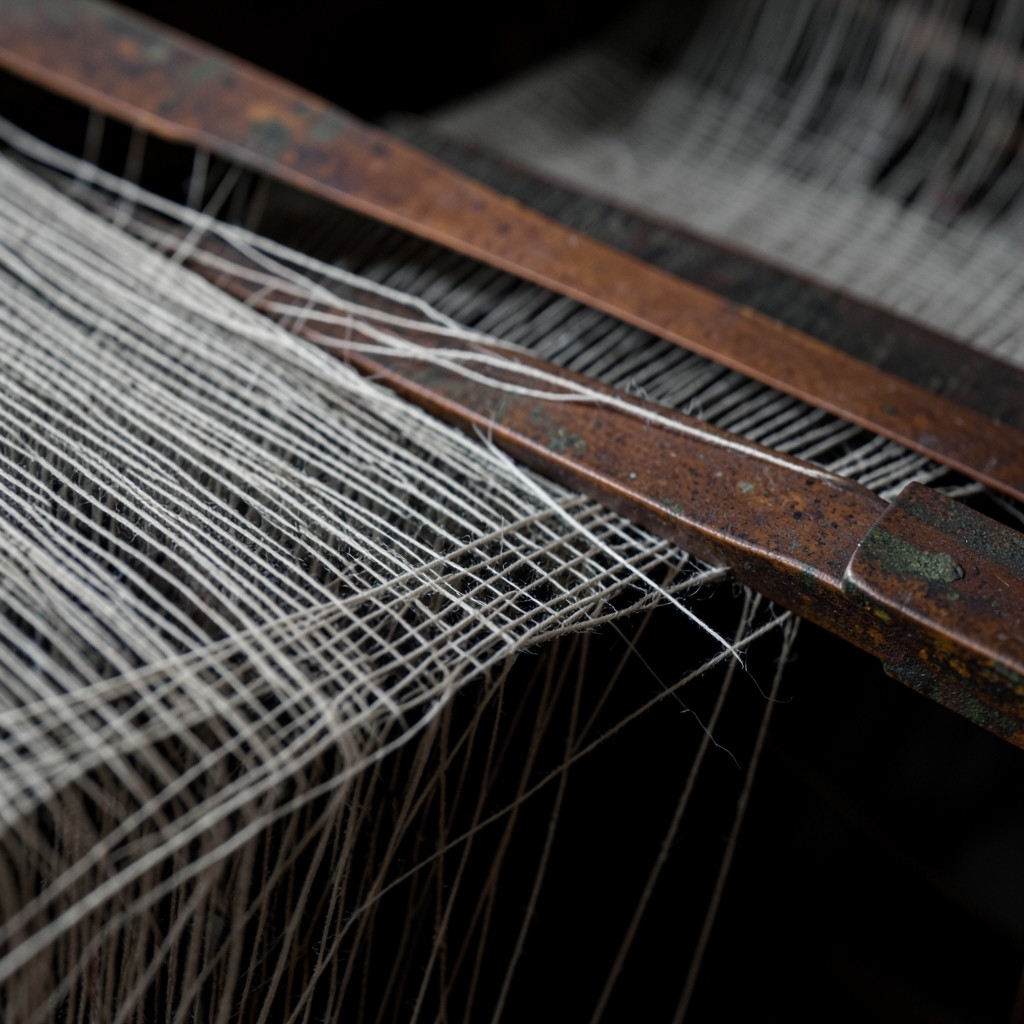
On a shuttle loom or an air-jet, the cloth stops for many reasons: a warp end breaks, the weft misses, a sensor trips, someone steps away. In the night book these often collapse into a single stroke beside the meters. The stroke is honest about one thing only — the loom was not running for a while.
The fitter needs the warp breaks. A loom that breaks warp all night is a beam, a tension, or a yarn problem. A loom that stops because the weft package ran out is a supply problem. If both are drawn as “stops”, the fitter spends the next afternoon on the wrong machine, and the chart has made the hall busier without making it clearer.
We only split the marks when the book or the weaver gives us the split. Some clerks already use a “W” for warp. We keep their letter. Where the book has only ticks, we ask the shift that wrote them. If that shift has rotated off and nobody will swear to the cause, the chart keeps a single stop band and says the cause was not recorded.
There is a temptation to infer. A loom with low meters and many ticks “must have been” breaking warp. It must not. It may have been waiting for a beam. Inference is how a chart becomes an argument the night shift will reject at the hand-over.
If you are ruling a fresh book, a second narrow column for warp — even a column that is often empty — is the change that makes a later chart worth the paper. We can draw from a book that lacks it. We cannot repair the lack by being clever.