When the shade card and the vat note disagree
A lot can look right beside the vat and wrong on the buyer’s table. The card, the lamp, and the hour of the batch all belong in the ledger.
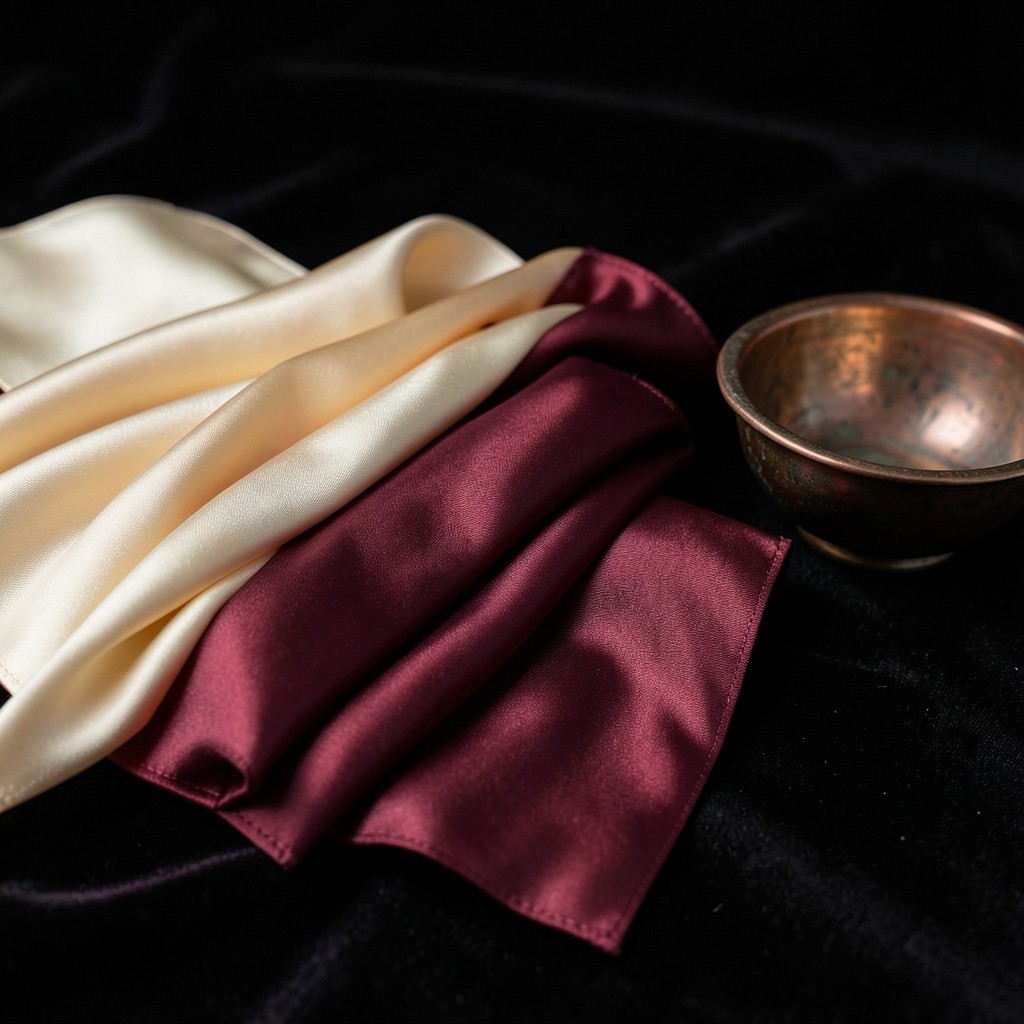
Dye houses attached to weaving sheds often keep two records that were never meant to be compared in a hurry: a shade card, stapled to a nail, and a vat note written on a damp pad. The card is the colour someone agreed. The note is what the dyer did at a particular hour — temperature, time in the vat, and whether a second dip was needed.
The disagreement we see most often is not a dramatic miss. It is a lot that passed under the dye-house lamp and looked duller when the weaving hall cut a header the next afternoon. Bangkok daylight in May is a different instrument from a lamp over a vat. If the ledger only says “passed”, the weaving supervisor has nothing to point at except the cloth.
When we draw a dye-lot ledger we write the lamp in the margin: dye-house lamp, office window, or north doorway. We do not own a standard light box, and we do not pretend to. The ledger is a record of the comparison that was actually made, in the room where the cards live.
Held lots need plain language. “Slightly off” is how arguments last a month. We use the dye house’s own words where they have them — held, redye, or scrap the header — and we leave the rest as “no decision written”. A blank decision is more useful than a polite one we invented.
Rainy-season pads are their own trouble. Ink feathers. If a temperature is unreadable we omit it. A buyer would rather see a missing figure than a tidy one copied from the batch before.